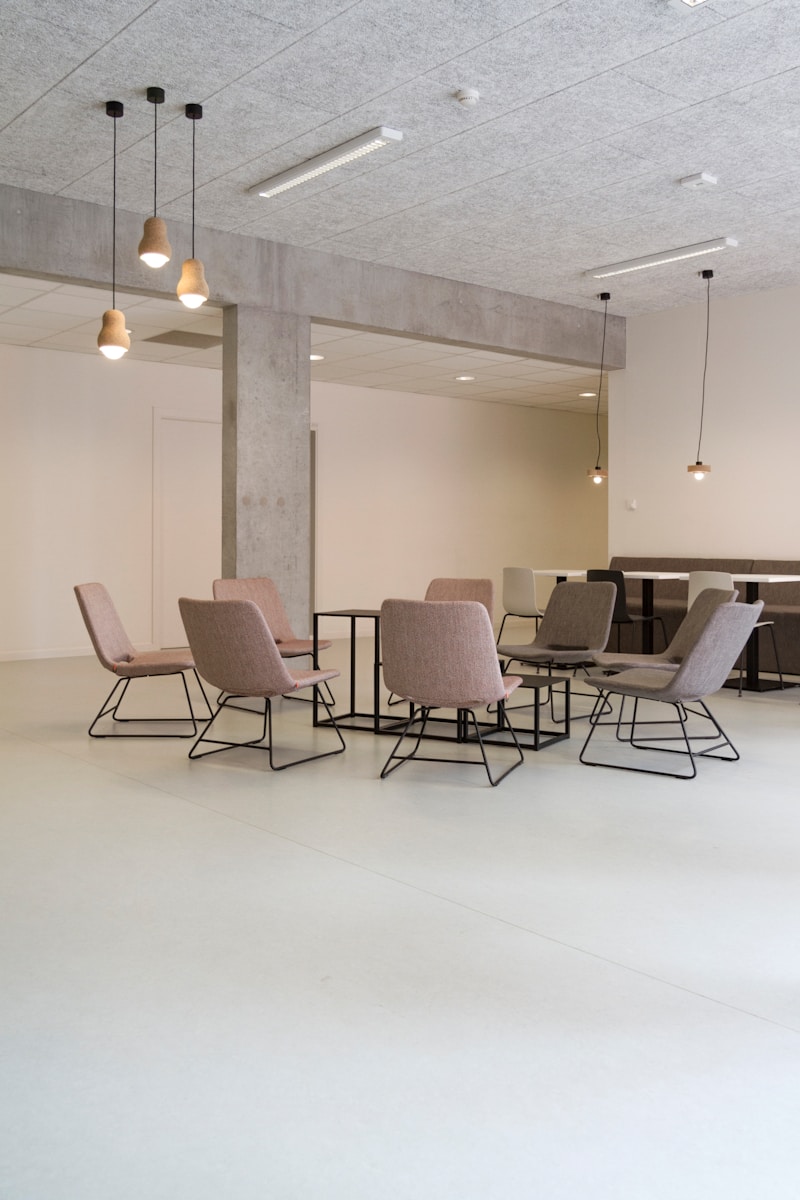
Modern office environment during organizational transition

Culture and Leadership

Psychological Safety During Organizational Change

Change fatigue can erode trust quickly. Here is how leaders can maintain psychological safety while executing major transitions.

Nov 6, 2024 · 6 min read

Change initiatives often fail because leaders over-focus on execution mechanics and under-focus on human response patterns.

What teams need during change

  • Predictable communication cadence
  • Honest updates when details are still evolving
  • Clear escalation paths when concerns appear

Practical leader actions

  1. Explain what is changing, what is not, and why.
  2. Equip managers with consistent communication scripts.
  3. Create visible feedback loops and close them quickly.
  4. Track indicators like turnover intent, absenteeism, and conflict spikes.

Leadership takeaway

Psychological safety is operational. It depends on communication quality, manager consistency, and responsiveness.


Related Reading

More in Culture and Leadership

Leaders collaborating in a team setting to build trust and open communication

Oct 14, 2026 · 6 min read

Psychological Safety for New Managers: A Starter Guide

New managers often misunderstand psychological safety. Here are practical behaviours that build trust and common mistakes that erode it.

Read article
Modern office corridor representing the blend of remote and in-office work environments

Jul 15, 2026 · 6 min read

Remote Work Policies That Protect Your Organization

Practical guidance on building remote and hybrid work policies that meet Ontario legal requirements and set clear expectations.

Read article
Leaders collaborating on team strategy in a meeting room

Apr 15, 2026 · 6 min read

Rebuilding Trust After Leadership Turnover

When leaders leave, team trust takes a hit. Here is how to stabilize the culture and rebuild momentum.

Read article